Our company started 29 years ago as a service shop with just two mechanics, with Mrs. Abha managing all the complaints and generating leads for services. Gradually, the company expanded and became a distributor of Mahindra Power in the Jodhpur division, handling both sales and services for almost 15 years.
Later, the company upgraded to KGD for Kirloskar and focused on sales. With consistent performance, the company achieved the distinction of being among the best in sales in Pan India for three consecutive years. Continuing its growth, the company then became an authorized manufacturer for Escorts Kubota Limited for the entire Rajasthan region.
Manufacturing Process
Abha Power generators are designed for convenience, mobility, and easy maintenance. Our units come trolley-mounted, making them simple to move and operate at different locations as per power requirements. To ensure smooth usage and long-term performance, each generator is provided with a detailed service manual, offering clear instructions for operation, maintenance, and troubleshooting — is manufactured using world-class processes and strictly controlled standards.
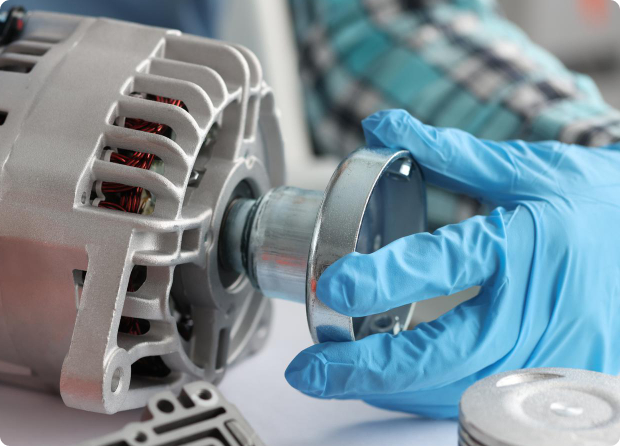
Step 1 – Building up acoustic enclosure
The first step involves constructing the acoustic enclosure, which is designed to reduce noise generated by the DG (diesel generator) set. This enclosure is typically made using soundproof materials that absorb and minimize sound levels, ensuring compliance with noise pollution standards. Proper ventilation and airflow design are also considered so that the generator does not overheat while operating inside the enclosure.
Additionally, the enclosure must be sturdy and weather-resistant, especially if the DG set is intended for outdoor use. Openings for maintenance access, exhaust outlets, and cable routing are carefully planned during this stage.
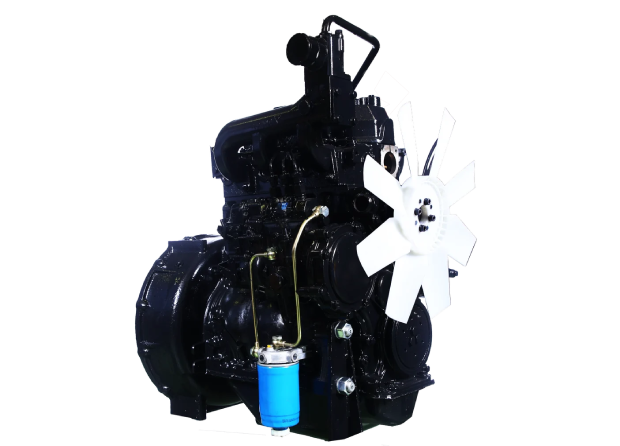
Step 2 – Attachment of engine with alternator
In this step, the engine is mechanically coupled with the alternator to form the core generating unit. The engine provides mechanical power, which the alternator converts into electrical energy. Precision alignment is critical here to avoid vibration, wear, and inefficiency during operation.
Proper coupling ensures smooth power transmission and enhances the lifespan of both components. After alignment, bolts and fittings are tightened, and initial checks are performed to confirm proper installation.
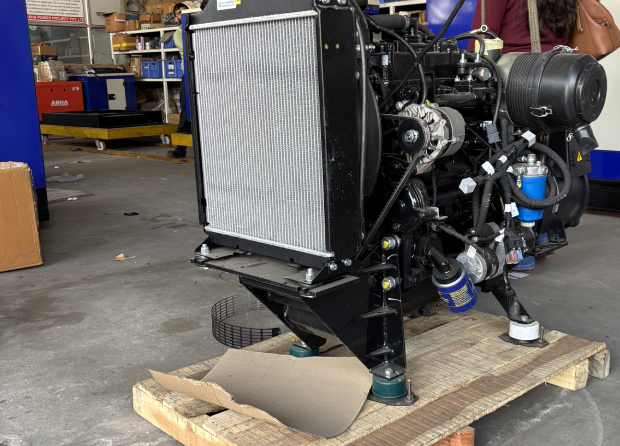
Step 3 – Mounting of engine and alternator in canopy
Once assembled, the engine and alternator unit is mounted securely inside the canopy or base frame. This structure supports the weight of the DG set and helps isolate vibrations through anti-vibration mounts.
Correct positioning within the canopy ensures proper balance and accessibility for maintenance. It also allows enough space for wiring, fuel lines, and cooling systems to be installed in later stages.
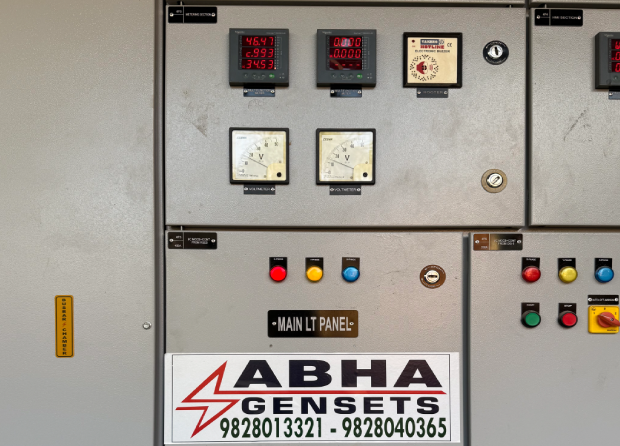
Step 4 – Setting wiring harness and controlling panel
At this stage, the electrical wiring harness is installed, connecting all components of the DG set, including the alternator, battery, sensors, and control panel. The control panel acts as the brain of the system, allowing users to monitor and control operations.
Proper insulation, routing, and labeling of wires are essential to prevent short circuits and ensure safety. The control panel is configured to display parameters such as voltage, current, frequency, and engine status.
Step 5 – Completion of DG and testing of load
After assembly and wiring, the DG set is considered complete and ready for testing. Load testing is performed to verify that the generator can handle its rated capacity efficiently and without faults.
During testing, various performance parameters are checked, including output stability, fuel consumption, and response to load changes. Any issues identified are corrected before moving to the next stage.
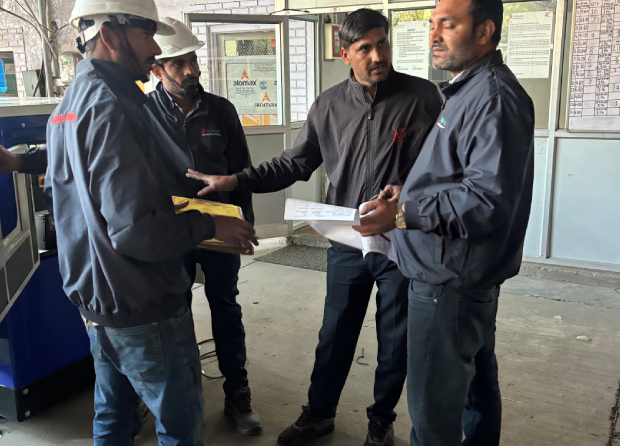
Step 6 – Pre-delivery inspection (PDI)
Pre-delivery inspection (PDI) is a crucial quality control step where the entire DG set is thoroughly inspected before dispatch. This includes checking mechanical, electrical, and safety aspects to ensure everything meets required standards.
All documentation, labeling, and compliance requirements are also verified. PDI ensures that the product delivered to the customer is fully functional, reliable, and ready for use.
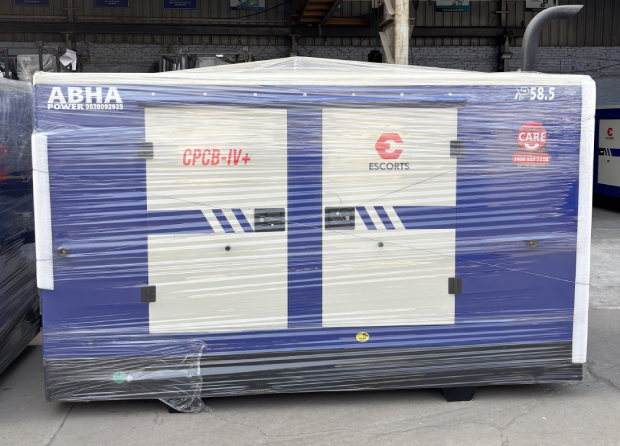
Step 7 – Packing of DG and loading
In the final step, the DG set is carefully packed to protect it during transportation. Protective materials are used to prevent damage from shocks, moisture, or dust.
After packing, the unit is loaded onto transport vehicles using proper handling equipment. Care is taken to secure the DG set to avoid movement during transit, ensuring safe delivery to the customer.
Proudly Serving
Our Clients
Worldwide
Innovative Production Techniques